By Shannon Howard MA, LPC-MH, QMHP, NCC | June 23, 2026
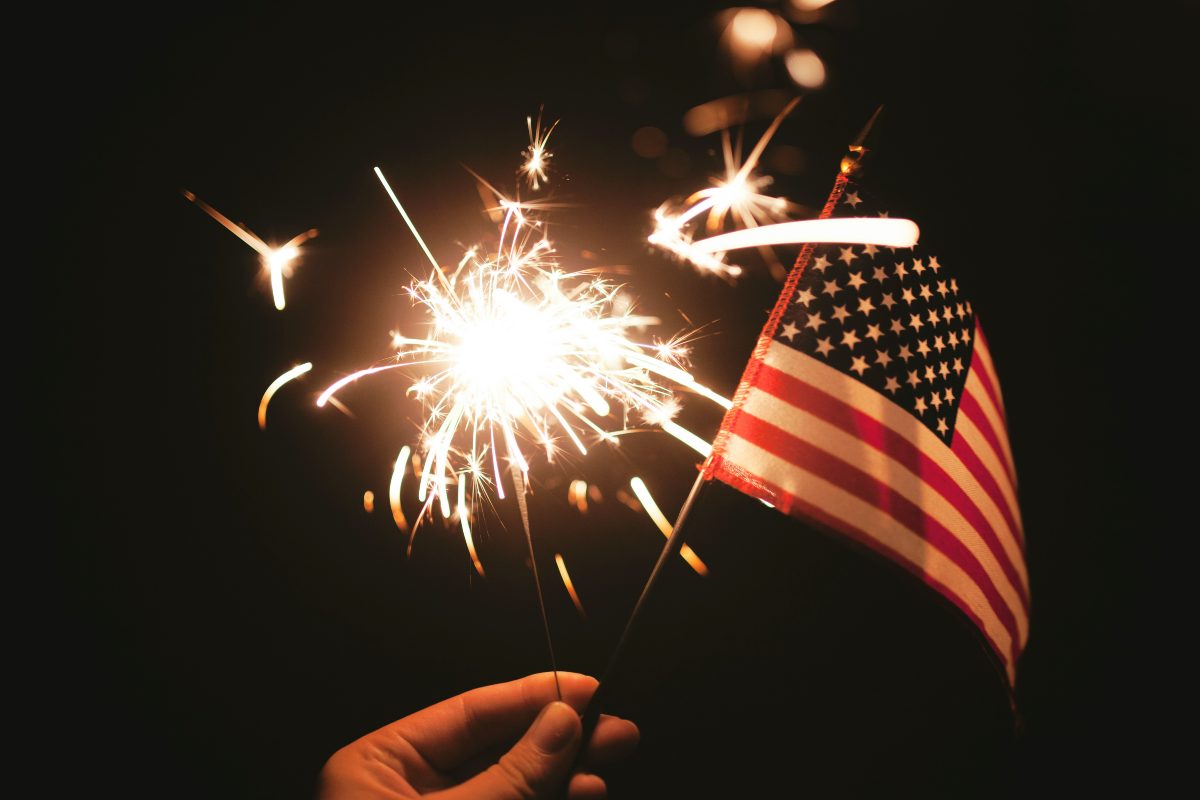
The 4th of July for Veterans and most Americans is the ultimate summer celebration. It is a time filled with family, bbq’s, parade’s and of course – fireworks. No 4th of July is complete without looking to the sky to see it light up with mesmerizing fireworks.
But for many of our military veteran’s, this holiday is anything but relaxing and fun. The sad irony is that for the very people who fought for our freedom, this holiday feels more like a threat than a celebration. Lets celebrate the 250th Anniversary of the United States of America next week with our Veterans at the top of mind.
Understanding PTSD: The 4th of July for Veterans
Post Traumatic Stress Disorder, or PTSD as it is commonly known, is a frequent diagnosis that sadly is diagnosed in all too many veterans after their return from war. Veteran’s train for combat and this training is what allowed them to be good soldiers and more importantly return home. However, that training does not just “turn off” once they are safe and back to their normal lives.
To understand why the Fourth can be so difficult for veterans with PTSD, you have to realize that military training changes how a brain processes the world. In a combat zone, staying alive means being hyper-aware of everything. A sudden flash of light, a thick smell of sulfur, or a sharp crack isn’t entertainment—it’s an incoming mortar, an IED, or a sniper.
-
The Boom: A heavy aerial shell vibrating through your chest cavity feels exactly like the shockwave of heavy artillery.
-
The Smell: That familiar, lingering smoke from backyard firecrackers smells almost identical to spent ammunition and burnt vehicles.
-
The Chaos: When a neighborhood erupts in random, uncoordinated pops from every direction, it mimics the disorienting feeling of being ambushed.
In a split second, a veteran’s body can be flooded with adrenaline. The heart races, the palms sweat, and suddenly they aren’t standing in small town America—they are back in a ditch in Iraq or Afghanistan.
If you talk to veterans about this, most will tell you they don’t want to ruin anyone’s fun. They love this country, and they aren’t asking for a ban on fireworks.
The Element of Surprise
They’ll also tell you that the organized city displays usually aren’t the problem. Those are scheduled, predictable, and easy to avoid. If a veteran knows the town fireworks start at 9:00 PM, they can put on noise-canceling headphones, put on a movie, or head out of town to go camping in the quiet woods.
The real anxiety comes from the unpredictability. It’s the rogue M-80 going off at 1:30 AM on July 2nd. It’s the leftover firecrackers being tossed into the street by teenagers on July 5th. When you don’t know it’s coming, you can’t prepare your mind for it. It catches them totally off guard, and that’s when the panic sets in.
How to Help Your Veteran Neighbors
You can still have an incredible holiday weekend while being respectful of the hidden battles happening behind your neighbors’ doors. Here’s how:
-
Stick to the Timeline: Keep the fireworks limited to the actual holiday, and wrap them up by a reasonable hour (like 10:00 or 10:30 PM).
-
Give a Heads-Up: If you know a veteran lives on your block, give them a quick text or a knock on the door. Just saying, “Hey, the kids are going to set off some fireworks between 8:00 and 9:00 PM tonight,” gives them the power to prepare their space.
-
Reconsider the Noise Level: Sparklers, smoke bombs, and fountains are great for the backyard. Leave the massive, concussive “booms” to the professional, organized city shows.
This year, as we enjoy our freedom, let’s make sure we aren’t celebrating it at the expense of the men and women who paid for it. A little empathy and communication can ensure the night feels safe for everyone on the block.
Support Resources: If you or a veteran you know is dreading the upcoming holiday, please know you don’t have to white-knuckle it alone. The PTSD Coach App has great tools for grounding in the moment, and the Veterans Crisis Line is always there if things get too heavy—just dial 988 and press 1.
Schedule an appointment with Ensō Mental Health today to get help understanding PTSD and explore how we can support you year round!
Shannon Howard is an outpatient therapist at Ensō Mental Health who specializes in empowering individuals healing from trauma and recovering from narcissistic abuse. She holds a Master’s in Clinical Counseling and brings over a decade of diverse experience, including work within community mental health and the foster care system. Utilizing evidence-based methods like EMDR and DBT, Shannon focuses on building a deeply safe, non-judgmental therapeutic relationship to help clients manage intense emotions and set healthy boundaries. Originally from South Dakota, Shannon returned home to raise her daughter in the Black Hills, and she is honored to walk alongside clients on their journey toward healing and growth.
- When Freedom Feels Like a Battleground for Veterans - June 23, 2026
- Navigating a Post-Holiday Emotional Hangover - January 2, 2026
- Narcissistic Abuse in Relationships: Navigating the Path to Healing - July 10, 2025